Many homeowners throughout Northeast Ohio deal with hard water every day without realizing how much damage it may be causing inside their home.
Hard water is extremely common in Ohio and can impact everything from plumbing and appliances to skin, hair, laundry, and water heating efficiency.
If you have noticed buildup on fixtures, dry skin after showering, or white spots on dishes, there is a good chance your home may benefit from a water softener.
What Is Hard Water?
Hard water contains elevated levels of dissolved minerals, primarily calcium and magnesium. As water moves through underground rock and soil, it picks up these minerals before reaching your home.
While hard water is generally not considered dangerous to drink, it can create a wide range of household problems.
Signs You May Have Hard Water
White Buildup on Fixtures
One of the most common signs of hard water is white chalky buildup around faucets, showerheads, and sinks.
This mineral buildup can become difficult to remove over time.
Spots on Dishes and Glassware
Hard water often leaves spots and streaks on dishes even after washing.
Dry Skin and Hair
Minerals in hard water can make it more difficult for soap to rinse cleanly, which may leave skin feeling dry or irritated.
Soap Doesn't Lather Well
Hard water reduces soap efficiency, causing homeowners to use more soap and cleaning products.
Appliance Damage
Mineral buildup can accumulate inside:
- Water heaters
- Dishwashers
- Washing machines
- Pipes
- Coffee makers
Over time, this buildup can reduce efficiency and shorten appliance lifespan.
How a Water Softener Works
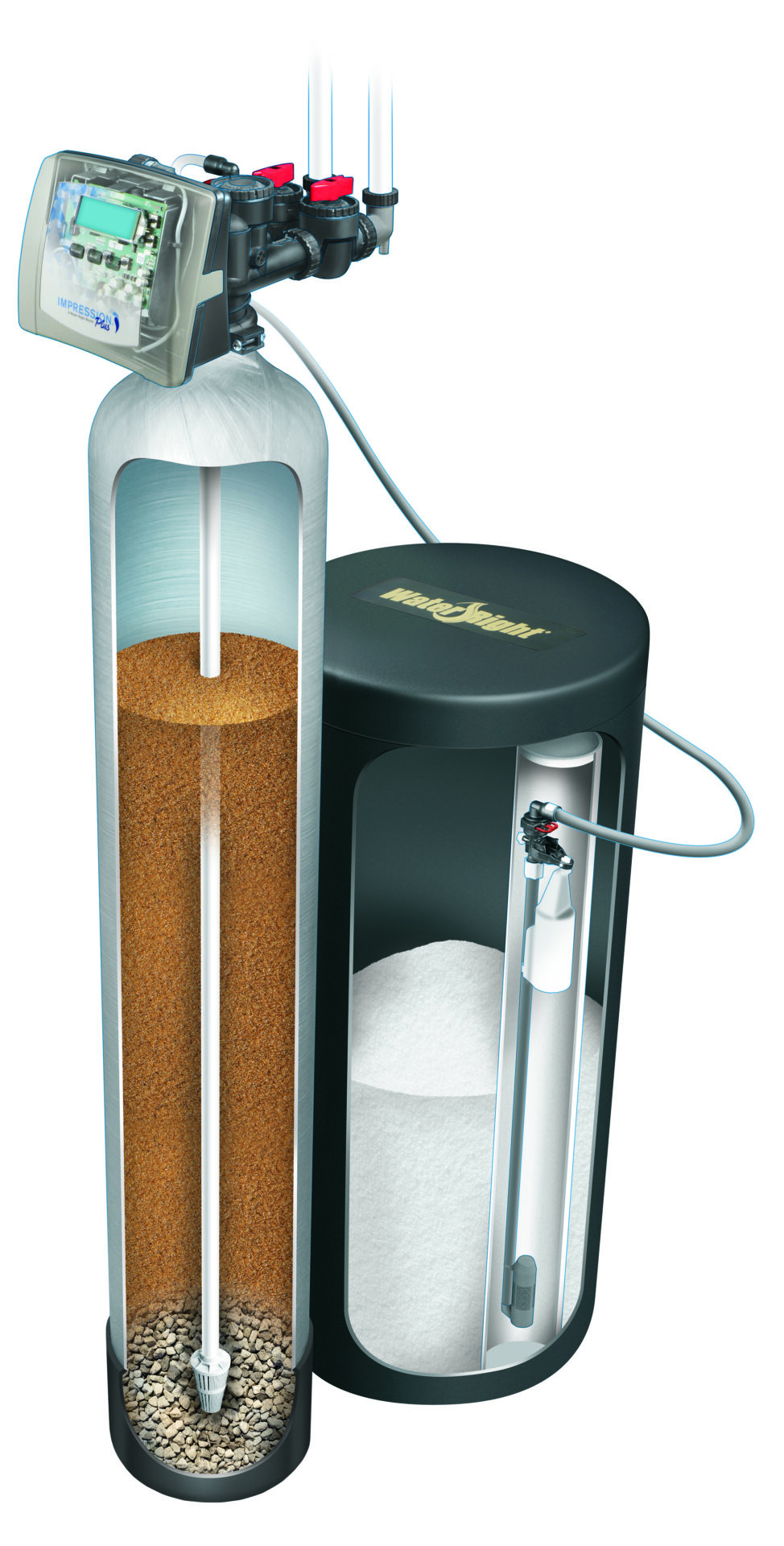
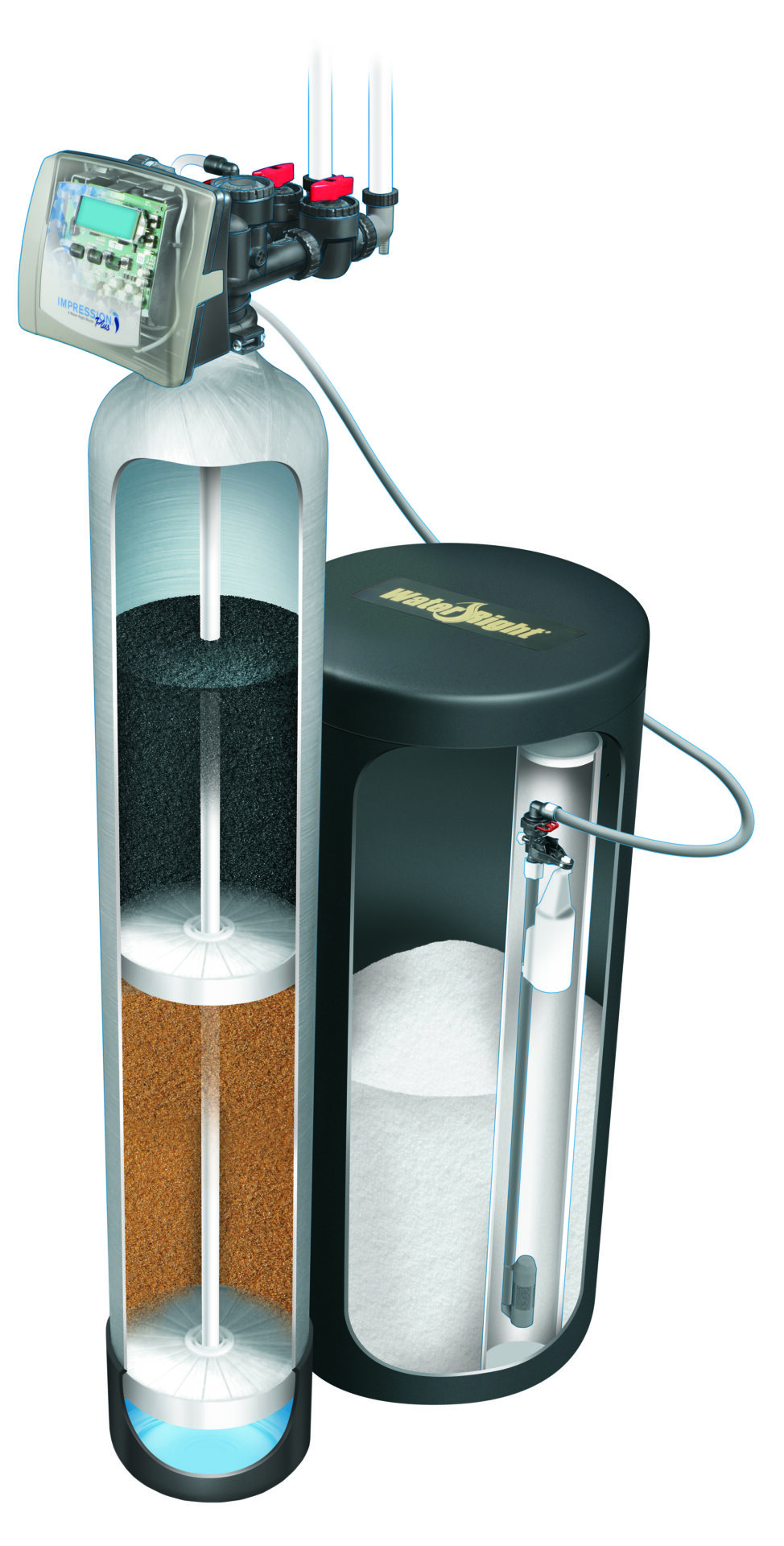
A water softener removes hardness minerals through a process called ion exchange.
The system replaces calcium and magnesium with sodium or potassium, helping reduce mineral buildup throughout the home.
Benefits of a Water Softener
Installing a water softener may help:
- Extend appliance lifespan
- Improve soap performance
- Reduce plumbing buildup
- Improve skin and hair feel
- Reduce cleaning time
- Improve water heater efficiency
Is Hard Water Common in Northeast Ohio?
Yes. Many areas throughout Medina County, Cuyahoga County, Summit County, and surrounding communities experience moderate to high water hardness.
Homes with private wells may experience even higher hardness levels.
Should You Get Your Water Tested?
Testing is the best way to determine your water hardness level and identify any additional issues like iron, sulfur, chlorine, or sediment.
Many homeowners discover they need more than just a water softener depending on their specific water conditions.
Final Thoughts
If your home has hard water, a properly sized water softener can improve water quality while helping protect your plumbing and appliances.
The key is selecting the right system based on your household size, water usage, and overall water conditions.