Many homeowners throughout Cleveland and Northeast Ohio wonder whether their tap water is truly safe to drink.
Municipal water systems are regulated and treated according to federal and state standards, but homeowners may still experience concerns related to taste, odor, aging infrastructure, or household plumbing.
How Cleveland Water Is Treated
Municipal water systems use treatment processes designed to remove contaminants and disinfect water before it reaches homes.
This often includes:
- Filtration
- Disinfection with chlorine or chloramine
- Water quality testing
Common Concerns Homeowners Have
Chlorine Taste and Smell
Many residents notice chlorine odor or taste in their tap water.
Older Plumbing Systems
Older homes may contain aging plumbing components that impact water quality.
Hard Water Minerals
Mineral content can create buildup and affect taste.
Sediment or Discoloration
Temporary discoloration can sometimes occur due to infrastructure maintenance or pipe disturbances.
Should You Filter Cleveland Tap Water?
Many homeowners choose to install filtration systems to improve:
- Taste
- Odor
- Water clarity
- Mineral reduction
- Drinking water quality
Popular systems include:
- Carbon filtration
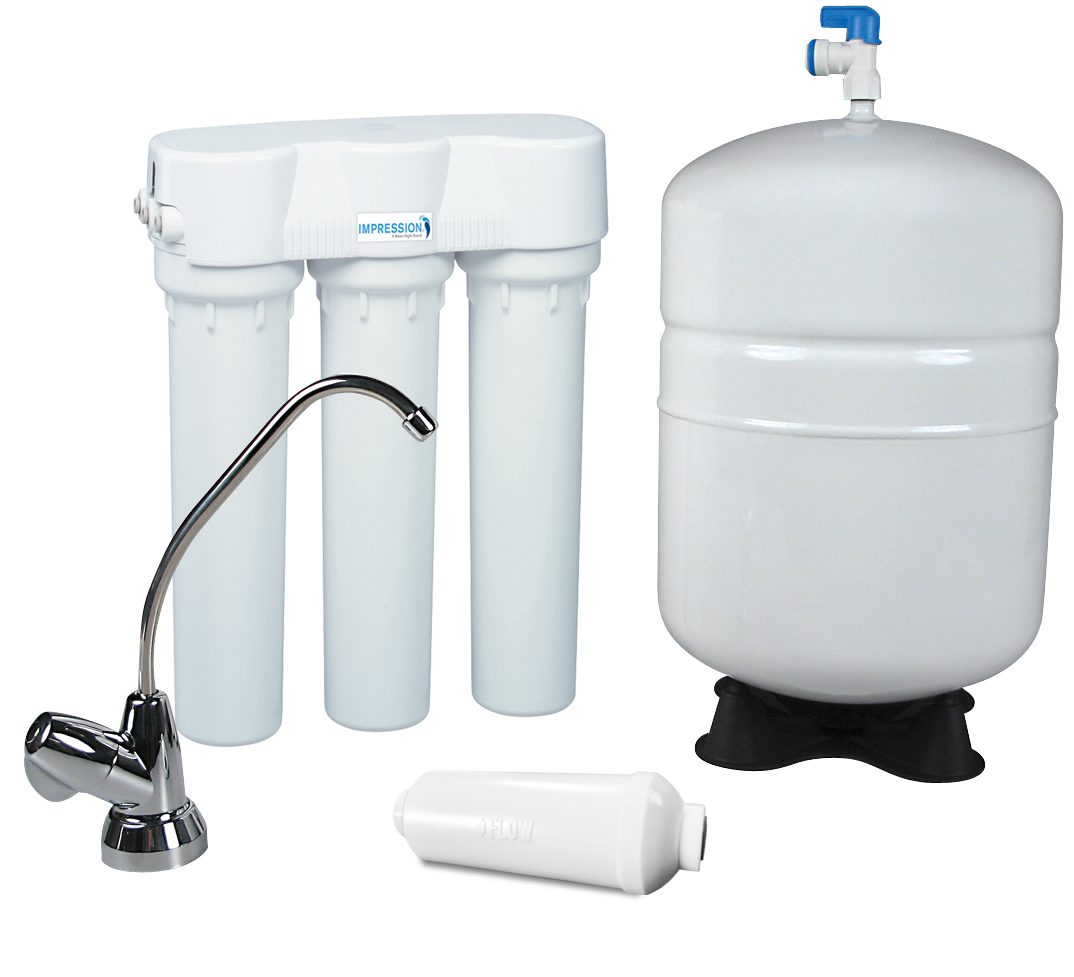
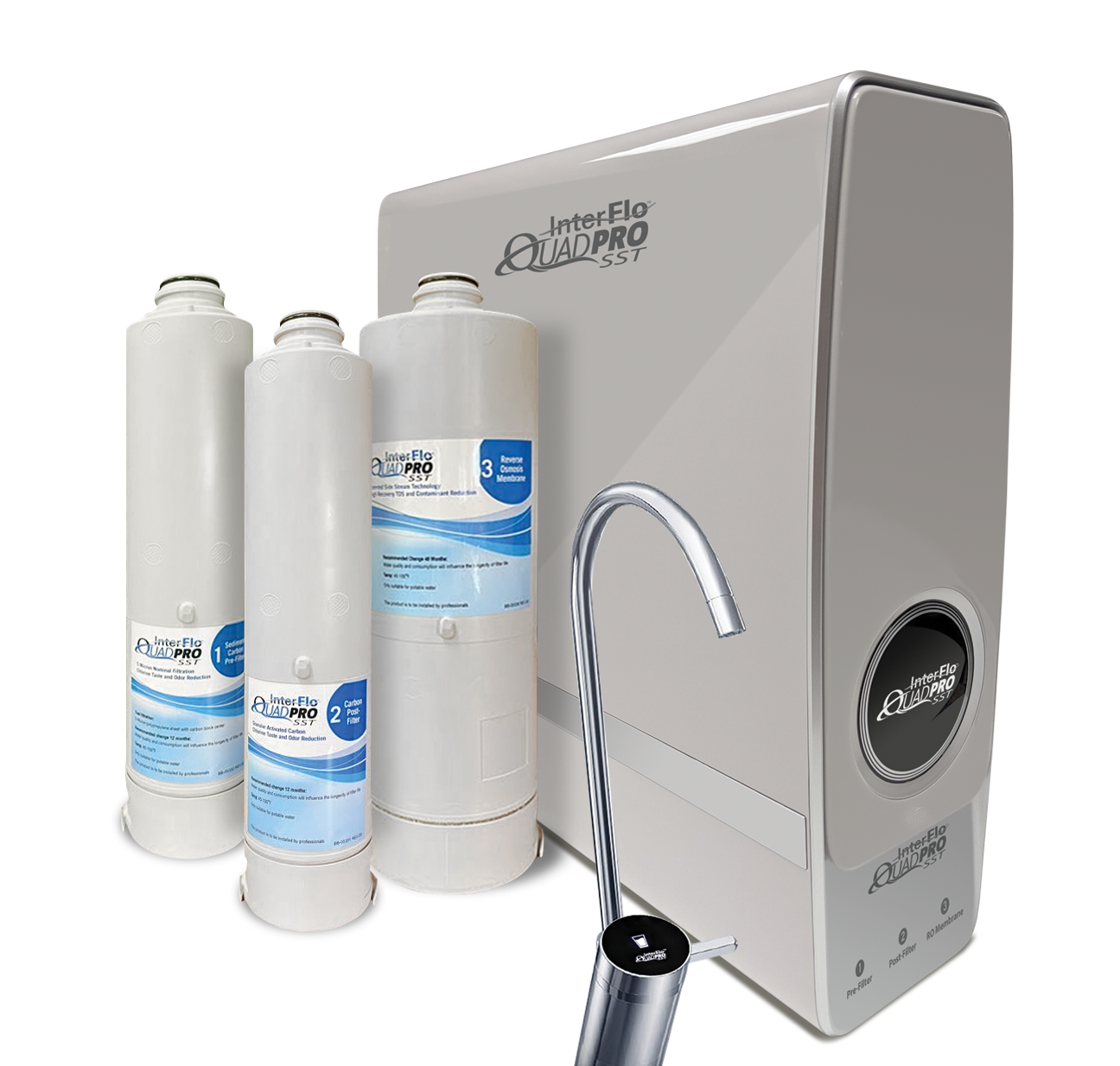
- Reverse osmosis systems
- Water softeners
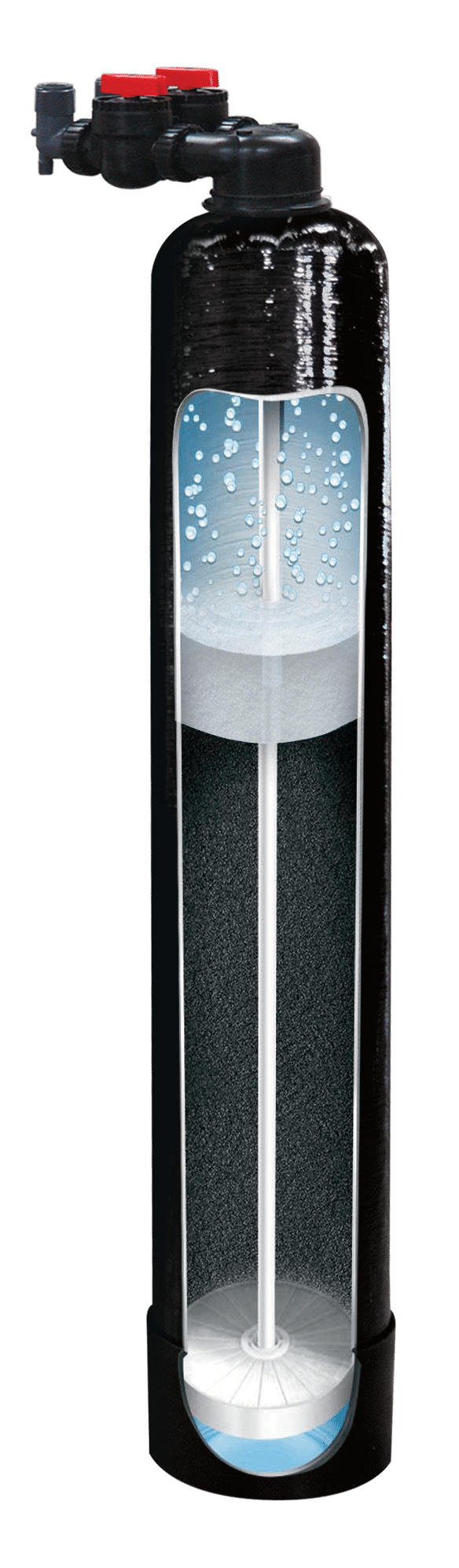
- Whole-house filtration systems
The Importance of Water Testing
Every home is different.
Testing can help identify:
- Water hardness
- Chlorine levels
- Iron
- Sediment
- Plumbing-related concerns
Final Thoughts
Cleveland tap water undergoes treatment and testing, but many homeowners still choose to improve their water quality with additional filtration systems.
The best approach depends on your home's plumbing, water source, and personal preferences.